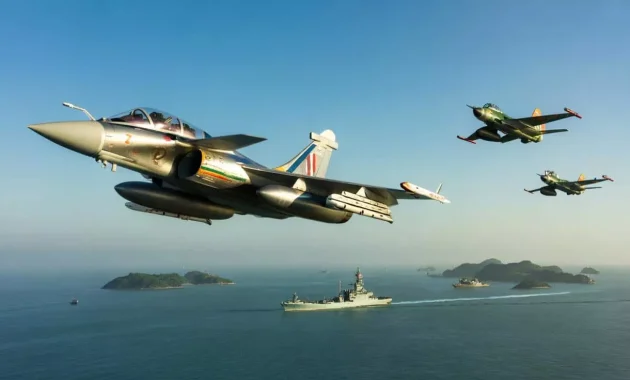
In a move that could redefine the balance of power in the Asia-Pacific region, Vietnam is reportedly considering a significant shift in its military aviation strategy. Quietly, the Southeast Asian nation is exploring the possibility of acquiring the French-made Rafale fighter jet, a decision that could have far-reaching implications for its strategic alliances and defense capabilities.
This potential purchase represents more than just a technical upgrade; it signifies a broader geopolitical realignment, as Vietnam seeks to reduce its long-standing dependence on Russian military hardware and support. The decision to embrace the Rafale, a European-designed aircraft, sends a clear message about Vietnam’s ambitions to diversify its defense partnerships and strengthen its sovereignty in the face of regional power dynamics.
A Fighter Deal that Looks Like a Technical Divorce
For decades, Vietnam’s air force has been dominated by Russian-designed Sukhoi fighters, a legacy of the country’s historical ties to the Soviet Union. However, the growing tensions between Moscow and the West, coupled with Vietnam’s desire to assert its independence, have prompted a reevaluation of this reliance on Russian technology.

The Rafale, a multirole combat aircraft manufactured by Dassault Aviation, offers Vietnam an opportunity to diversify its military capabilities and reduce its dependence on Russian maintenance, spare parts, and munitions. This shift could have significant geopolitical implications, as it would signal Vietnam’s willingness to forge closer ties with France and the West, potentially at the expense of its traditional alignment with Russia.
Experts believe that this potential deal represents a strategic move by Vietnam to enhance its military autonomy and bolster its position in regional power dynamics. By acquiring the Rafale, Vietnam would gain access to advanced technology, increased combat versatility, and the ability to tailor its military operations to its own specific needs, rather than relying on Russian-centric systems.
Why Vietnam Can’t Rely on Its Sukhois Alone
The decision to explore the Rafale option stems from a growing recognition within the Vietnamese military and political leadership that its current fleet of Sukhoi fighters is increasingly ill-suited to the evolving security challenges in the region. While the Sukhoi jets have served Vietnam well for decades, their reliance on Russian support and technology has become a strategic liability.

As regional tensions rise and the geopolitical landscape shifts, Vietnam has become increasingly concerned about the potential vulnerabilities and limitations of its Russian-made aircraft. The inability to independently maintain and upgrade these fighters, as well as the risk of being cut off from critical spare parts and munitions, has fueled the desire for a more self-sufficient and versatile air force.
Moreover, the Sukhoi jets are primarily optimized for air-to-air combat, limiting Vietnam’s ability to engage in a broader range of military operations, such as precision strikes, air-to-ground missions, and electronic warfare. The Rafale, with its multirole capabilities and advanced avionics, could provide Vietnam with a more comprehensive and adaptable air power platform to address the evolving security environment in the region.
What the Rafale Really Brings: Versatility and Political Endurance
The Rafale’s appeal to Vietnam goes beyond its technical capabilities. The aircraft’s versatility and political durability make it an attractive choice for a nation seeking to assert its independence and strengthen its strategic partnerships.

Unlike the Sukhoi, the Rafale is designed to be a truly multirole platform, capable of undertaking a wide range of missions, from air-to-air combat and precision strikes to aerial reconnaissance and electronic warfare. This flexibility allows Vietnam to tailor its air power to its specific needs, rather than being limited by the constraints of a more specialized Russian-made fighter.
Moreover, the Rafale’s European origin and France’s position as a leading member of NATO and the European Union provide Vietnam with a more politically stable and internationally accessible partner. This could open the door to deeper cooperation in areas such as military training, intelligence sharing, and joint exercises, further strengthening Vietnam’s security ties with the West.
Beijing, Moscow, Washington: What the Choice Would Signal
The potential acquisition of the Rafale fighter jets would send a clear signal to the major powers in the region and beyond. For China, Vietnam’s move could be seen as a strategic counterweight to Beijing’s growing influence and a reaffirmation of Hanoi’s determination to chart its own course in the face of regional power dynamics.

Similarly, Russia would likely view the Rafale deal as a significant blow to its long-standing dominance in Vietnam’s military aviation sector. The loss of a key client and the potential for further military cooperation between Vietnam and the West could have broader implications for Russia’s regional influence and arms exports.
In Washington, the Rafale deal would be welcomed as a sign of Vietnam’s strengthening ties with the United States and its allies. It could also pave the way for deeper defense cooperation and technological sharing between Vietnam and the West, potentially contributing to a more balanced and stable regional security architecture.
What We Actually Know – and What Remains Uncertain
While the potential Rafale deal has been the subject of intense speculation and diplomatic discussions, the details of the negotiations and the final outcome remain largely uncertain. The Vietnamese government has not made any official announcements regarding the acquisition, and the French government has remained tight-lipped about the ongoing talks.

What is known, however, is that the Rafale has emerged as a serious contender in Vietnam’s quest to modernize its air force and diversify its military partnerships. The aircraft’s proven combat capabilities, multirole versatility, and political durability have made it an appealing option for Vietnam, which is seeking to enhance its military autonomy and strategic positioning in the region.
Nonetheless, the decision to purchase the Rafale will undoubtedly be shaped by a complex web of geopolitical considerations, budgetary constraints, and technological compatibility. The final outcome of the negotiations will have far-reaching implications for Vietnam’s security, regional alliances, and the balance of power in the Asia-Pacific.
Key Concepts Behind the Rafale Choice
The potential Rafale deal represents a significant shift in Vietnam’s military and foreign policy approach. By exploring the acquisition of a European-made fighter jet, Vietnam is seeking to achieve several key strategic objectives:

- Reduced Dependence on Russia: Vietnam’s long-standing reliance on Russian military hardware has become a strategic liability, and the Rafale offer a path to diversify its defense partnerships and reduce its vulnerability to potential disruptions in Russian support.
- Enhanced Military Autonomy: The Rafale’s multirole capabilities and advanced technology would give Vietnam greater flexibility and self-sufficiency in its military operations, reducing its reliance on foreign-supplied equipment and services.
- Geopolitical Rebalancing: The Rafale deal would signal Vietnam’s willingness to forge closer ties with France and the West, potentially shifting the regional balance of power and influencing its relationships with China and Russia.
- Technological Modernization: The Rafale’s cutting-edge avionics and weapons systems would provide Vietnam with a significant boost in its air power capabilities, enhancing its ability to address evolving security challenges in the region.
Ultimately, the Rafale choice represents a complex and strategic decision for Vietnam, one that could have far-reaching implications for its military, diplomatic, and economic future. As the negotiations continue behind closed doors, the world watches with bated breath, eager to see how this potential game-changing move will unfold.
| Key Advantages of the Rafale | Potential Drawbacks of the Rafale |
|---|---|
|
|
| Comparison of Vietnam’s Current Sukhoi Fleet and the Potential Rafale Purchase |
|---|
|
“The potential Rafale deal represents a strategic shift for Vietnam, one that could have far-reaching implications for the region’s security dynamics. By embracing a European-made fighter, Vietnam is signaling its desire to diversify its defense partnerships and assert greater military autonomy.”
– Dr. Nguyen Thi Lan Anh, Senior Fellow at the Institute of Strategic Studies, Hanoi

“This move by Vietnam reflects a broader trend in the Asia-Pacific, where countries are increasingly seeking to balance their relationships with major powers and expand their strategic options. The Rafale deal could be a significant step in that direction for Vietnam.”
– Dr. Tran Cong Truc, Former Head of the Government Boundary Committee, Vietnam
“The Rafale’s versatility and advanced capabilities make it an attractive choice for Vietnam, as the country looks to enhance its air power and address evolving security challenges in the region. However, the geopolitical implications of this deal should not be underestimated.”
– Dr. Le Dinh Tinh, Director of the Center for Regional and Global Studies, Diplomatic Academy of Vietnam

As Vietnam navigates the complex web of regional power dynamics, its potential acquisition of the Rafale fighter jets could have far-reaching consequences. This move, if realized, would signal a significant shift in Vietnam’s military and foreign policy, potentially redefining its strategic partnerships and the balance of power in the Asia-Pacific region.
What are the key advantages of the Rafale for Vietnam?
The Rafale offers Vietnam several key advantages, including its multirole capabilities, advanced avionics and weapons systems, reduced dependence on Russian military support, potential to strengthen strategic partnerships with France and the West, and improved military autonomy and flexibility.
What are the potential drawbacks of the Rafale for Vietnam?
Some potential drawbacks of the Rafale deal for Vietnam include higher acquisition and maintenance costs compared to Russian-made fighters, potential logistical and training challenges in integrating a new platform, potential geopolitical tensions with Russia and China, and uncertainty around the final terms and conditions of the deal.
How does the Rafale differ from Vietnam’s current Sukhoi fleet?
The key differences are that the Sukhoi fighters are heavily reliant on Russian technology and support, limited to air-to-air combat, and vulnerable to disruptions in Russian supply chains, while the Rafale offers multirole capabilities, advanced avionics and weapons systems, reduced dependence on foreign support, and the potential to enhance strategic partnerships with the West.
What are the potential geopolitical implications of the Rafale deal for Vietnam?
The Rafale deal could have significant geopolitical implications, as it would signal Vietnam’s willingness to forge closer ties with France and the West, potentially shifting the regional balance of power and influencing its relationships with China and Russia. It could also contribute to a more balanced and stable regional security architecture.
What are the key strategic objectives behind Vietnam’s potential Rafale acquisition?
The key strategic objectives behind Vietnam’s potential Rafale acquisition include reducing its dependence on Russia, enhancing its military autonomy, rebalancing its geopolitical relationships, and modernizing its technological capabilities to address evolving security challenges in the region.
How certain is the Rafale deal, and what remains uncertain?
The details of the Rafale negotiations and the final outcome remain largely uncertain, as the Vietnamese government has not made any official announcements, and the French government has remained tight-lipped about the ongoing talks. While the Rafale has emerged as a serious contender, the final decision will be shaped by a complex web of geopolitical, budgetary, and technological considerations.
What expert opinions have been shared on the potential Rafale deal?
Several experts have shared their insights on the potential Rafale deal, highlighting its strategic implications for Vietnam’s military autonomy, regional security dynamics, and geopolitical rebalancing efforts. These experts include Dr. Nguyen Thi Lan Anh, Dr. Tran Cong Truc, and Dr. Le Dinh Tinh.
How could the Rafale deal impact Vietnam’s relationships with China and Russia?
The Rafale deal could be seen as a strategic counterweight to China’s growing influence in the region and a reaffirmation of Vietnam’s determination to chart its own course. For Russia, the loss of a key client and the potential for further military cooperation between Vietnam and the West could have broader implications for its regional influence and arms exports.