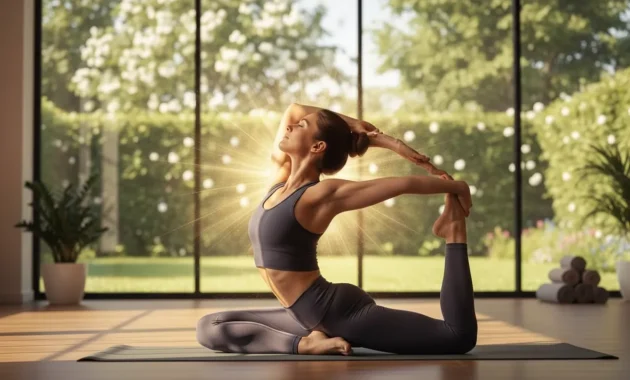
Are you feeling stiff and inflexible? Don’t worry, you’re not alone. Many of us struggle with limited mobility, especially as we age. But did you know that a consistent yoga practice can dramatically improve your flexibility in as little as 30 days? That’s right, with the right poses and dedication, you can transform your body and experience the freedom of enhanced range of motion.
Yoga is a powerful tool for increasing flexibility, and the benefits go far beyond just being able to touch your toes. Improved flexibility can reduce the risk of injury, alleviate joint pain, and even boost your athletic performance. So, if you’re ready to unlock your full physical potential, read on to discover 5 incredible yoga poses that can help you achieve newfound flexibility in just one month.
Downward-Facing Dog for Hamstring Flexibility
Adho Mukha Svanasana, or Downward-Facing Dog, is a classic yoga pose that stretches the entire posterior chain, including the hamstrings, calves, and lower back. To do this pose, start on your hands and knees, then press your palms firmly into the mat and lift your hips up and back, forming an inverted V shape with your body. Engage your core, lengthen your spine, and gently straighten your legs to feel the stretch in your hamstrings.

Maintain this pose for 5-10 breaths, focusing on gradually deepening the stretch with each exhale. Regular practice of Downward-Facing Dog will gradually improve your hamstring flexibility, making it easier to fold forward and reach your toes.
Remember, it’s important to listen to your body and not push too far, especially if you have any existing hamstring injuries or tightness. Start with what feels comfortable and gradually increase the intensity over time.
Forward Fold for a Deeper Stretch
| Pose | Benefits | How to Do It |
|---|---|---|
| Uttanasana (Forward Fold) | – Stretches the hamstrings, calves, and spine – Calms the mind and reduces stress |
1. Stand with your feet hip-width apart. 2. Hinge at the hips to fold your torso towards your thighs. 3. Let your head and neck hang heavy, relaxing the shoulders. |
Uttanasana, or the Forward Fold, is another excellent pose for improving overall flexibility. By folding your torso towards your thighs, you’ll deepen the stretch in your hamstrings and lower back. This pose also helps to calm the mind and reduce stress, making it a great choice for your daily yoga routine.

As you fold forward, be sure to keep your knees slightly bent to protect your lower back. Gradual practice will allow you to straighten your legs and fold deeper over time. Remember to breathe deeply and focus on releasing any tension or tightness with each exhale.
Seated Forward Fold for Hamstring and Spine Flexibility
“Paschimottanasana, or the Seated Forward Fold, is one of the most effective poses for improving overall flexibility. By folding the torso over the legs, you’ll get a deep stretch in the hamstrings, calves, and lower back.”
– Sarah, Certified Yoga Instructor

To practice Paschimottanasana, sit on the floor with your legs extended in front of you. Inhale and raise your arms overhead, then exhale as you fold your torso forward, reaching for your toes or shins. If you can’t quite reach, use a strap or towel to assist the stretch.
Hold the pose for 5-10 breaths, focusing on lengthening your spine and letting gravity pull you deeper into the fold. Over time, you’ll notice a significant improvement in your hamstring and spinal flexibility.
Low Lunge for Hip and Quad Flexibility
| Pose | Benefits | How to Do It |
|---|---|---|
| Anjaneyasana (Low Lunge) | – Stretches the hip flexors and quads – Improves balance and stability |
1. Start in a kneeling position. 2. Step your right foot forward, keeping your right knee at a 90-degree angle. 3. Lift your torso and raise your arms overhead. |
Anjaneyasana, or the Low Lunge, is a powerful pose for improving flexibility in the hips and quadriceps. By stepping one foot forward and sinking into a lunge, you’ll get a deep stretch in the front of the hip and the muscles of the thigh.

Remember to keep your back knee lowered to the mat and engage your core for stability. You can also try variations like bringing your hands to the mat or lifting your back heel to deepen the stretch. Repeat on the opposite side for balanced flexibility.
Bridge Pose for Backbend Flexibility
“Setu Bandhasana, or Bridge Pose, is an excellent way to open up the front of the body and increase spinal flexibility. This backbend pose stretches the chest, shoulders, and hip flexors, while also strengthening the back and gluteal muscles.”
– Dr. Emily, Physical Therapist

To practice Bridge Pose, lie on your back with your knees bent and your feet flat on the mat. Press your feet and arms into the floor to lift your hips up, creating a bridge shape with your body. You can clasp your hands underneath you for added support.
Hold the pose for 5-10 breaths, being mindful not to strain your neck. Slowly lower back down, then repeat the pose a few more times. Consistent practice of Bridge Pose will gradually improve your backbend flexibility and overall spinal mobility.
“Flexibility is a key component of overall health and wellness. By incorporating these 5 powerful yoga poses into your routine, you’ll notice a significant improvement in your range of motion and mobility within just 30 days. Remember to listen to your body, be patient, and enjoy the journey towards greater flexibility.”

FAQ
How often should I practice these yoga poses?
For optimal results, aim to practice these flexibility-focused yoga poses 3-5 times per week. Consistency is key, so try to make it a regular part of your routine.
Can I do these poses if I’m a beginner?
Absolutely! These poses are suitable for all levels, from beginners to advanced practitioners. Start with what feels comfortable, and gradually work on deepening the stretches over time.
How long should I hold each pose?
Aim to hold each pose for 5-10 breaths, or about 30-60 seconds. This will give you enough time to experience the stretch without overdoing it.

Can I combine these poses with other types of exercise?
Yes, these yoga poses can be easily incorporated into a well-rounded fitness routine. Consider pairing them with strength training, cardio, or other mobility exercises for a balanced approach to improving your overall flexibility and fitness.
What if I feel pain or discomfort during the poses?
If you experience any sharp or persistent pain, stop the pose immediately and consult with a qualified yoga instructor or healthcare professional. Yoga should never cause harm, so be sure to listen to your body and modify as needed.
How can I track my progress in flexibility?
Consider taking regular measurements or photos to document your progress. You can also pay attention to how your range of motion changes in everyday activities, such as reaching for objects or bending down.

Are there any contraindications for these poses?
Individuals with certain medical conditions, such as high blood pressure, glaucoma, or recent injuries, should consult with a healthcare provider before starting a new yoga practice. Certain poses may need to be modified or avoided depending on your specific needs.
Can I do these poses every day?
While you can certainly practice these flexibility-focused poses daily, it’s important to also give your body adequate rest and recovery time. Aim for 3-5 sessions per week, and listen to your body’s signals to avoid overtraining or injury.