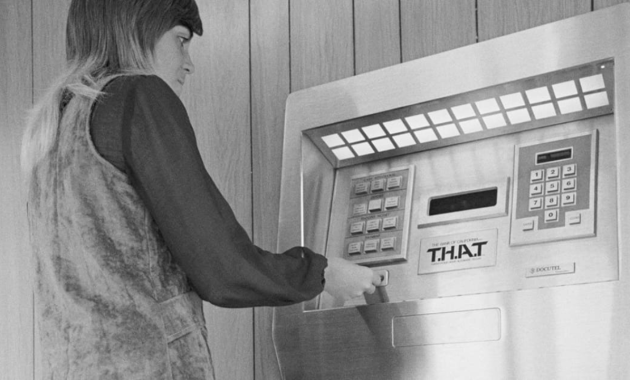
A rediscovered 1969 news report demonstrating how to use the first ATM in Australia offers a fascinating glimpse into the early days of automated banking. Viewed today from a UK news perspective, the footage highlights a moment that would eventually transform global finance, including Britain’s own banking habits. What now feels routine was once a novelty that required careful explanation to the public.
Banking Before the ATM Era
Before ATMs became common, banking relied heavily on physical branches, limited opening hours, and face-to-face interactions with tellers. Customers had to plan their withdrawals around bank schedules, often queuing during lunch breaks or Saturdays. The 1969 report captures this context clearly, showing how revolutionary the idea of accessing cash without a human intermediary truly was at the time.
Explaining the Machine to the Public
The news segment carefully walks viewers through the process step by step, reflecting how unfamiliar the technology was. From inserting a special card to following on-screen or printed instructions, every action is explained slowly and clearly. This careful demonstration mirrors how early UK broadcasts later introduced similar machines, recognising that public trust depended on understanding and reassurance.
Key Elements Highlighted in the 1969 Report
| Element | Explanation |
|---|---|
| ATM Card | Early cards were often paper-based or encoded differently |
| Step-by-Step Use | Instructions were clearly demonstrated |
| Security Emphasis | Focus on safe access to personal funds |
| Convenience | Cash available outside banking hours |
| Public Curiosity | Viewers shown observing the machine closely |
The table reflects how broadcasters framed the ATM as both innovative and approachable.
This historic report remains relevant because it documents a turning point in everyday technology adoption. For UK audiences, it provides perspective on how innovations we now take for granted were once met with caution and curiosity. The footage also underlines the role of media in shaping public confidence when introducing disruptive technologies.
Influence on Modern Banking Culture
ATMs paved the way for further digital banking advances, from online accounts to mobile payment apps. The calm, instructional tone of the 1969 report set a template for how financial institutions communicate change. In the UK, similar strategies have been used repeatedly as banking continues to evolve toward cashless and app-based systems.
The 1969 news report demonstrating Australia’s first ATM is more than a historical curiosity—it is a reminder of how transformative technology enters everyday life. By documenting the careful introduction of automated banking, the footage highlights the importance of public education and trust. From a UK standpoint, it also echoes Britain’s own journey toward modern, digital-first banking.
FAQ’s:
1. Why was the first ATM considered revolutionary?
It allowed customers to access cash outside normal banking hours without staff assistance.
2. Were people hesitant to use ATMs at first?
Yes, many were cautious and needed clear demonstrations to build confidence.
3. How were early ATM cards different from today’s?
They often used simpler encoding methods and lacked modern chip technology.
4. Did the UK adopt ATMs around the same time?
The UK began introducing ATMs in the late 1960s and early 1970s.
5. Why is this news report still shared today?
It offers historical insight into how everyday technologies are first introduced and accepted.