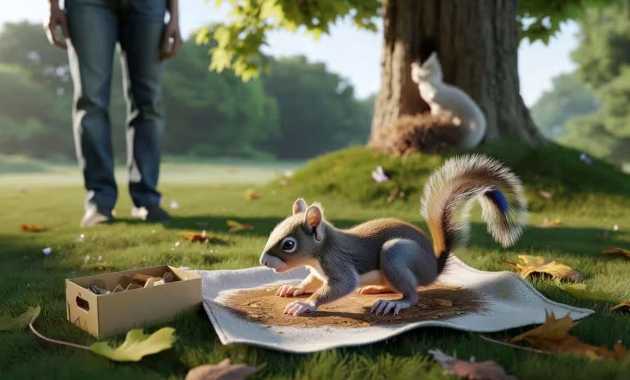
When a fuzzy, wide-eyed squirrel tumbles from its nest, it’s not a baby – it’s a kit. These tiny creatures, so often the subject of urban wildlife rescues, are known by this quirky name that may surprise many. But understanding the proper terminology for a young squirrel is more than just a trivia fact – it can provide important insights into their development and care.
From the moment they’re born, these kits face a precarious existence, vulnerable to predators and the elements as they learn to navigate the world. Knowing how to identify and assist them can make all the difference in ensuring their survival. So, let’s dive into the fascinating world of baby squirrels, exploring what makes them unique and why their tiny name carries such significance.
Squirrel Kits: The Smallest of the Furry Bunch
When a squirrel gives birth, the resulting offspring are known as kits, not babies. These pint-sized puffballs emerge into the world after a gestation period of around 44 days, weighing just a few ounces and completely dependent on their mothers for survival.
Kits are born blind and helpless, their eyes sealed shut and their bodies covered in a fine layer of downy fur. For the first few weeks of their lives, they rely on their mother’s milk and the warmth of the nest to grow and develop. It’s during this crucial early stage that kits face the greatest challenges, as they must learn to navigate the dangers of the outside world.
As they mature, kits gradually gain their sight and begin to explore their surroundings, quickly becoming adept at climbing and scurrying from tree to tree. This transition from helpless newborn to agile acrobat is a remarkable transformation, one that often captivates onlookers who witness a kit’s first wobbly steps.
Why “Kit” and Not “Baby”?
The term “kit” is not just a quirky name – it actually has its roots in the distinct characteristics of young squirrels. Unlike many other mammals, squirrels are not born in a highly developed state, but rather as relatively underdeveloped offspring.
The use of the term “kit” reflects this unique aspect of squirrel physiology and development. Kits are essentially the squirrel equivalent of a newborn kitten or puppy, requiring intense parental care and protection during their early stages of life.
By using the term “kit” instead of “baby,” we acknowledge the unique challenges and adaptations that these young squirrels must overcome. It also helps to differentiate them from other baby animals, emphasizing the distinct needs and behaviors of these tiny, agile creatures.
Recognizing and Assisting Squirrel Kits
If you encounter a young squirrel on the ground, it’s important to be able to identify whether it’s a kit in need of assistance or a more independent juvenile. Kits are typically very small, often no larger than a human palm, and they may appear disoriented or unable to climb back into the nest.
Juvenile squirrels, on the other hand, are larger and more agile, with a fluffy tail and a confident demeanor. They may be exploring the ground for food or simply navigating their territory, and they are generally capable of fending for themselves.
If you come across a kit that appears to be in distress, it’s best to contact a local wildlife rehabilitation center or animal control. These experts can assess the situation and provide the proper care and support to ensure the kit’s safe return to the wild.
The Importance of Squirrel Kits
While they may seem like just another part of the urban landscape, squirrel kits play a vital role in the delicate balance of our ecosystems. As these tiny creatures grow and thrive, they contribute to the dispersal of seeds, the pollination of plants, and the overall health of the natural world around us.
By understanding and respecting the unique needs of squirrel kits, we can help to ensure their continued survival and the preservation of the natural wonders that they represent. Whether it’s through responsible wildlife rehabilitation efforts or simply appreciating the wonder of their growth and development, every small act can make a big difference in the lives of these remarkable little creatures.
So, the next time you see a fuzzy ball of energy scampering across the lawn, remember – it’s not a baby, it’s a kit, and it’s a vital part of the intricate web of life that we all share.
Caring for Squirrel Kits: A Delicate Balance
Caring for a lost or injured squirrel kit requires a delicate touch and a deep understanding of their unique needs. Wildlife rehabilitation experts must carefully monitor the kit’s health, provide appropriate nutrition, and ensure a smooth transition back to the wild.
One of the biggest challenges in caring for kits is maintaining the right balance of human interaction and minimal disturbance. Too much handling can stress the kit and disrupt its natural development, while too little care can jeopardize its chances of survival.
Successful rehabilitation often involves a team of dedicated professionals, from veterinarians to animal behaviorists, all working together to give the kit the best possible chance at a healthy, independent life in the wild.
The Future of Squirrel Kits
As our urban landscapes continue to expand and encroach on the natural habitats of squirrels, the fate of these kits hangs in the balance. Protecting and preserving the delicate ecosystems that support these tiny creatures is crucial, not just for their own survival, but for the broader health of the environment as a whole.
Through education, responsible wildlife management, and a deeper appreciation for the vital role that squirrel kits play in our world, we can work to ensure a bright future for these remarkable little creatures. By recognizing their unique needs and challenges, we can take meaningful steps to safeguard their well-being and the intricate web of life that they represent.
So, the next time you hear the pitter-patter of tiny feet in the treetops, take a moment to reflect on the incredible journey of the squirrel kit – a resilient, adaptable, and essential part of the natural world that we all share.
Expert Insights on Squirrel Kits
“Squirrel kits are incredibly vulnerable in their early stages of life, and that’s why it’s so important for us to understand their unique needs and challenges. By providing the right kind of care and support, we can help to ensure their successful transition to adulthood and the continued vitality of our local ecosystems.”
– Dr. Emily Wilkins, Wildlife Rehabilitation Specialist
“Kits are truly remarkable creatures, with an incredible capacity for adaptation and resilience. As we continue to encroach on their natural habitats, it’s crucial that we find ways to coexist in a sustainable and responsible manner, allowing these tiny acrobats to thrive and fulfill their vital role in the broader web of life.”
– Sarah Greenfield, Ecologist and Environmental Educator
“The term ‘kit’ rather than ‘baby’ is a subtle but important distinction that highlights the unique developmental needs and characteristics of young squirrels. By understanding and respecting these differences, we can provide the most effective and appropriate care and support to ensure their survival and well-being.”
– Dr. Michael Barton, Veterinary Specialist in Exotic Animal Care
FAQs: Squirrel Kits Uncovered
What is the difference between a squirrel kit and a juvenile squirrel?
Squirrel kits are the newborn, underdeveloped offspring of squirrels, while juvenile squirrels are older, more independent individuals that have reached a certain level of maturity and self-sufficiency.
How can I tell if a squirrel I see is a kit?
Kits are typically very small, with a downy coat and closed eyes. They may appear disoriented or unable to climb back into a nest. Juvenile squirrels are larger, with a fluffy tail and a more confident, independent demeanor.
What should I do if I find a squirrel kit on the ground?
If a squirrel kit appears to be in distress, it’s best to contact a local wildlife rehabilitation center or animal control. They can assess the situation and provide the appropriate care and support to ensure the kit’s safe return to the wild.
How long do squirrel kits stay in the nest?
Squirrel kits typically remain in the nest for around 10-12 weeks, gradually gaining their independence and learning the skills they need to survive on their own.
What are the main threats to squirrel kits?
Squirrel kits face a variety of threats, including predators, exposure to the elements, and the loss of their natural habitats due to human development. Proper care and protection are essential for their survival.
How can I help support the conservation of squirrel kits and their habitats?
You can support the conservation of squirrel kits and their habitats by advocating for responsible wildlife management policies, supporting local conservation efforts, and educating others about the importance of these tiny creatures in our ecosystems.
Are squirrel kits found in all parts of the world?
No, squirrel kits are primarily found in areas where squirrels are native, such as North America, Europe, and parts of Asia. Their distribution is largely determined by the natural habitats of their parent species.
How do squirrel kits compare to other baby animals in terms of development and care needs?
Squirrel kits are unique in their relatively underdeveloped state at birth, requiring intense parental care and protection during their early stages of life. This sets them apart from many other baby animals, which are born in a more advanced state and can often survive independently at a younger age.